Key Components of Gantry Cranes
Main Structural Elements
Gantry Cranes: Structural Elements of a Gantry Crane A gantry crane is a type of crane that consists of a number of key structural components that make the crane capable of lifting heavy loads safely and efficiently. The bridge of a gantry crane is essentially a horizontal beam that spans the working area. This beam carries the load-bearing part of the crane during lifting operations. The legs of a gantry crane are its uprights or columns that sustain the bridge of the crane. These legs can be fixed or movable depending upon the configuration of the crane.
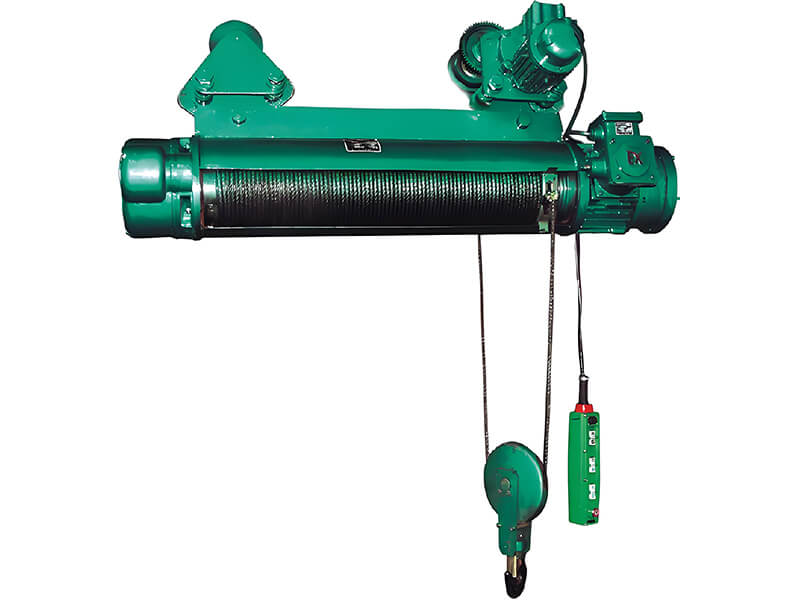
The trolley runs along the bridge rails for horizontal load transport. In addition, the trolley accommodates the hoist. This way, precise positioning of the loads during transport is also possible. The trolley enables the reliable and efficient transport of loads across the length of the crane.
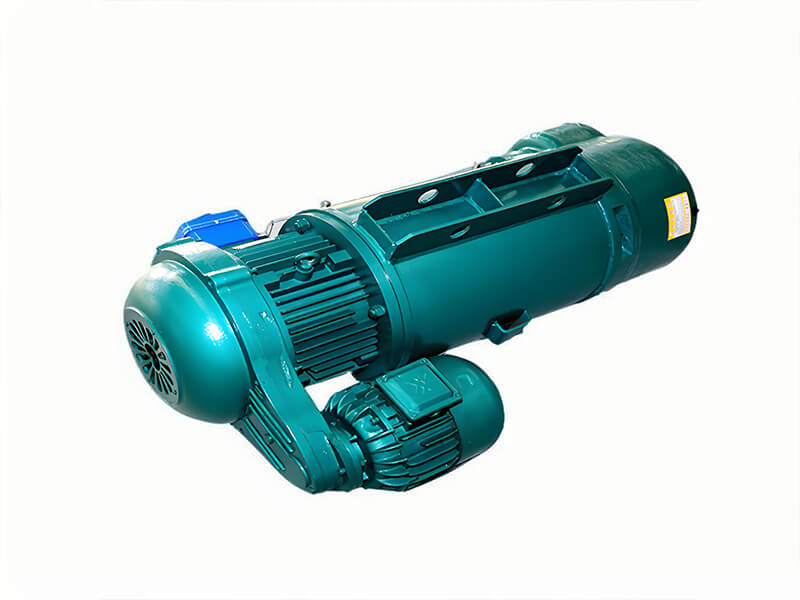
The hoist is the component that actually lifts loads in a gantry crane. It provides the vertical component of the lifting force necessary for lifting loads upwards and lowering them back down. The modern day hoist is also equipped with newer systems and feature’s that enable them to hoist loads smoothly without any malfunction. However, the modern hoist’s functioning is always monitored and within the allowed load capacity.
Types of Gantry Cranes
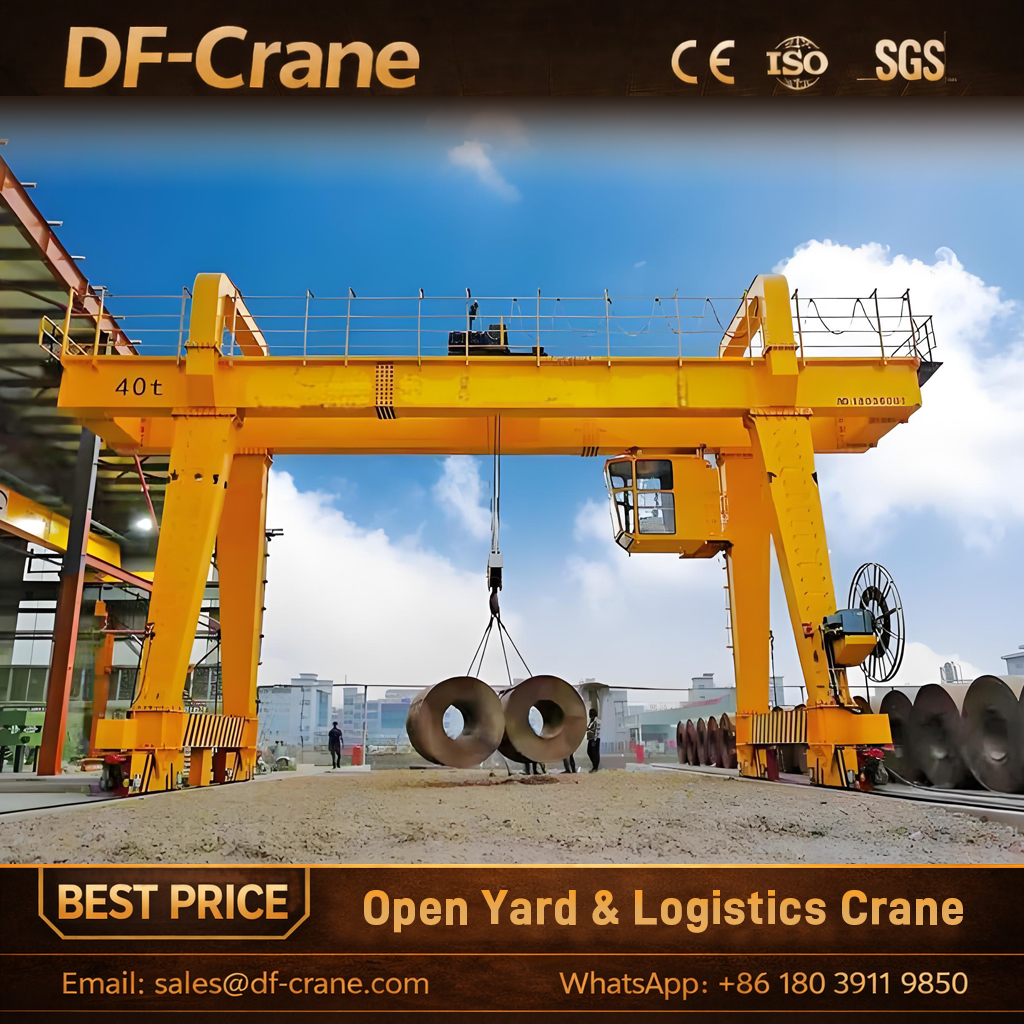
A full gantry crane is a type of crane in which both sides of the bridge or beam that supports the hoist have legs. They are used to lift heavy objects because they provide better stability when lifting heavy loads. Full Gantry Cranes operate along rails on the ground or along a raised rail runway. These cranes provide long spans, which can be beneficial to many industrial applications.
Semi-gantry cranes are a class of crane that incorporate one leg and a runway support. The single leg of a semi-gantry crane provides mobility, while the runway connection provides stability. Semi-gantry cranes offer lower initial costs and require less space. Semi-gantry cranes are suitable for locations where there is existing structural support.
Portable Gantry Cranes are very useful when the crane needs to be moved from time to time or when the application is temporary. Some portable gantry cranes can be height and span adjusted for a variety of uses. These can be easily disassembled and moved to a new location when needed. Although portables are useful, the capacity of a portable gantry crane is generally lower than that of a permanent installation.
Fixed Gantry Cranes Heavy duty, fixed gantry cranes are ideal for very high throughput operations. They offer greater load capacity and faster speed of operation. More planning and groundwork will be required as the crane is permanently fixed between two bases. Perfect for dedicated tasks.
Determining Load Capacities
Factors Influencing Load Capacity
The design of a crane that is to be used in a gantry system will directly affect the capacities of the system. Beam size and material as well as the shape of the structure are all design elements that are considered. The bridge of the beam must be strong enough to hold the bending moments as well as meet deflection criteria. General design of the crane must be able to safely handle loads within prescribed limits.
The selection of the construction materials has a direct impact on the design, strength and life of a gantry crane. The use of high grade steel will provide a higher lifting capacity in comparison to mild steel. The selection of material for the crane affects its design capacity and its life time. High grade steel will result in low maintenance and high factor of safety.
The length of the span is a limiting factor for the maximum load that can be suspended by a gantry crane. A longer span requires more robust bridge trusses to limit deflection of the structure. The span required for a particular application must be compatible with the design load of the crane. Generally, longer spans require lower maximum loads.
Height is one of the important design parameters that impact the stability and load carrying capacities of gantry systems. Higher height implies higher wind loads and stability concerns. A high height to span ratio requires additional structural members. Optimal height for gantry systems will be achieved only when the chosen height maximizes the crane capacity and capabilities.
Calculating Safe Working Loads
Determining the maximum load capacity of the components requires a calculation of the structural elements and the required safety factors. The working load limit is determined by the calculation of the material characteristics and the design parameters. The safe working load is usually a small fraction of the break load. Rules and standards specify particular safety factors for particular applications.
Crane capacity should always be determined in a safe manner by following the manufacturer’s recommendations. Manufacturer’s crane data such as load charts and operating characteristics should be used to establish safe crane operation. The manufacturer is the authority that establishes and publishes the safe operating limits for their crane. It is not the crane owner or operator’s decision whether a load is within the safe limits or not. A periodic capacity check throughout the entire lifetime of a crane is always required.
The load distribution in gantry cranes has a direct impact on their real capacity. Point loads impose different stress conditions than loads distributed across a surface. It is important for crane operators to be aware of the effects of load position on nominal capacities. An improper load distribution may result in damage to the structure and compromise crane safety.
Specifications for Optimal Performance
Selecting the Right Gantry Crane for Your Needs
Load size determines minimum capacity criteria for selecting appropriate cranes for lifting operations. This capacity should take into account current as well as projected load requirements. An undersized crane can be unsafe and inefficient. On the other hand, a crane that is too large for anticipated load requirements is unnecessary and expensive.
More than simple capacity, weight considerations include load weight, load density and load dimensions. Heavy, dense loads may not be the same as heavy, bulky loads and may require different capabilities. The hoist and trolley should be sized to match the weight characteristics of the load. Adequate weight and size factors are essential to the overall performance of the crane.
Please keep in mind that all frequently used cranes need to be classified into duty cycles, and the classification may vary a little depending on the operational frequency of the crane. High frequency duty cycles require heavy duty material and heavier designs, whereas occasional use can tolerate lighter duty design. And the choice of duty cycle affects both capital cost and potential reliability of the design.

Environmental conditions can greatly influence the design and performance of gantry cranes. Outdoors, weather and temperature conditions must be taken into consideration. In the case of outdoor outdoor crane applications, the crane and all of its components are exposed to the elements. The severity of the environment and the degree to which it must be accommodated will impact the design of the crane and its overall performance. In the case of corrosive environments, additional protective coatings and materials may be necessary. Additionally, certain indoor applications may require different ventilation and or clearance requirements.
Working and operating space restrictions will define the size and layout of the gantry system. The available work and travel space on the floor will influence the footprint and path lengths of the crane. The height available under the ceiling will also have an influence on the achievable lift height. A correct analysis of the workspace is a prerequisite for a correct integration of the crane in the workspace.
Maintenance and Safety Standards
All gantry cranes are subject to a regular maintenance program to ensure safe operation. Daily checks should be made for any obvious faults. Weekly and monthly checks cover mechanical parts and general structure of the crane. Annual detailed inspections should be carried out under the supervision of a qualified person.
Preventive maintenance programs will prolong the life of the plant's equipment and assure safe operation at all times. Timely lubrication of all moving parts will also assist in preventing premature wear. Programs for the replacement of components which are subject to normal wear-out, such as bearings, seals, valves and roll liners prior to failure will further assist in maintaining high levels of availability and plant performance. Regular maintenance can avert unscheduled shutdowns and provide plant availability for any scheduled requirements.
Crane Safety: Compliance with Standards for Protection of People and Assets Adherence to the applicable safety standards for cranes, whether national, industry or regional, protects people and assets. In addition to providing a safe work environment, OSHA regulations for crane operations set a minimum level of performance. The technical specifications of a crane are further defined by ANSI standards that cover design and maintenance. Depending on the country of operation and the origin of the crane, the relevant international standards may also apply.
Safety training is designed to ensure operators perform work tasks and operate equipment within the prescribed conditions and procedures. A competent operator is the best accident preventer, as well as being the most unlikely to cause damage to the equipment or to themselves and others. Annual refresher training notifies the operator to any changes to procedures or regulations. Training records, also referred to as completion certificates or proof of competency, are used to verify that the required safety training has been provided.
FAQs on Gantry Crane Load Capacities and Specifications
What is the difference between full gantry and semi-gantry cranes?
Full gantry cranes have legs on either side of the bridge. These cranes provide greater stability and load capacity. They do not require a foundation on any building. Gantry cranes give more flexibility as to placement and location.
Semi-gantry cranes are a type of crane that utilizes one of the legs in unison with a runway or other building support. The single leg allows for movement of the crane, and the fixed support provides the structural stability required. Semi-gantry cranes utilize less space and are economically easier to install. These types of cranes are particularly useful when the structural support for the crane can be provided by an existing system.
How do I determine the correct load capacity for my needs?
The load capacity of a hoist or crane must be able to handle the maximum expected load with sufficient safety factor. Consider the weight of the heaviest loads you will be handling on a regular basis rather than just on an exceptional basis. In addition to the maximum load, you must also consider the factor of safety recommended by all applicable government and industry regulations as well as the recommendations of the hoist and crane manufacturers. In addition to the static load, you must also consider the dynamic load created by the motion of lifting and lowering heavy loads.
Please consult with our engineers or crane specialists if you have any particular or unusual applications in mind. We can calculate the loads involved and advise the most suitable class of crane for the task. Expert assessment by qualified personnel will ensure that all safety codes and regulations are met to prevent costly and damaging mistakes when choosing a crane.
What safety measures should be in place when operating a gantry crane?
Operator training is the most important safety measure for any type of gantry crane. A qualified operator should understand the capacity of the load they are handling, understand procedures for handling different types of loads and be familiar with procedures for emergency situations. In order to maintain certification and to keep abreast of new developments a regular training program should be carried out and evidence of annual training should be readily available in the event of an audit.
Pre-operational inspections are designed to find and correct potential hazards before they develop into a hazard. The pre-operational inspection is a general visual examination for obvious damage, wear, or other signs of malfunction. The operational checks will verify that all controls are functioning properly and that safety devices are operational. Any problems found in the pre-operational inspection must be corrected before the crane is put into operation.
Load management involves procedures to prevent overloading and incorrect load handling practices. Check the weight of the load before attempting to lift it. Use correct rigging for the load and check the condition of lifting accessories. Ensure communication between the crane operator and ground crew is clear and understood.
Emergency procedures are in place in case of an emergency or machine breakdown. Procedures for power loss, mechanical breakdowns and severe weather are in place. Operators know the location of the emergency stop buttons. A good way to ensure you are prepared and to pinpoint any areas that need improvement is to participate in emergency evacuation drills.