Introduction to Gantry Cranes in Heavy Industry
A gantry crane is a type of overhead crane, specifically a cranes suspension system consists of a track, supported by free standing legs. The gantry crane is often used in heavy industries such as shipbuilding, steel fabrication and manufacturing. Heavy loads of material are suspended by means of hoists and hooks. The characteristics of a gantry crane include; load capacity, structure, mechanism and efficiency. The gantry crane has become an important piece of heavy machinery in modern times of industry and is used in many material handling operations to improve productivity and safety of the workplace.
Structural Design and Load Capacity
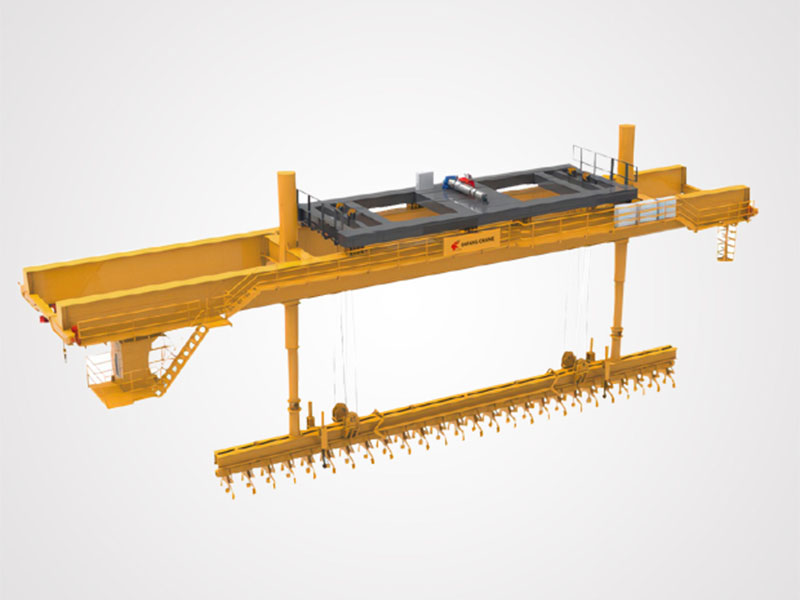
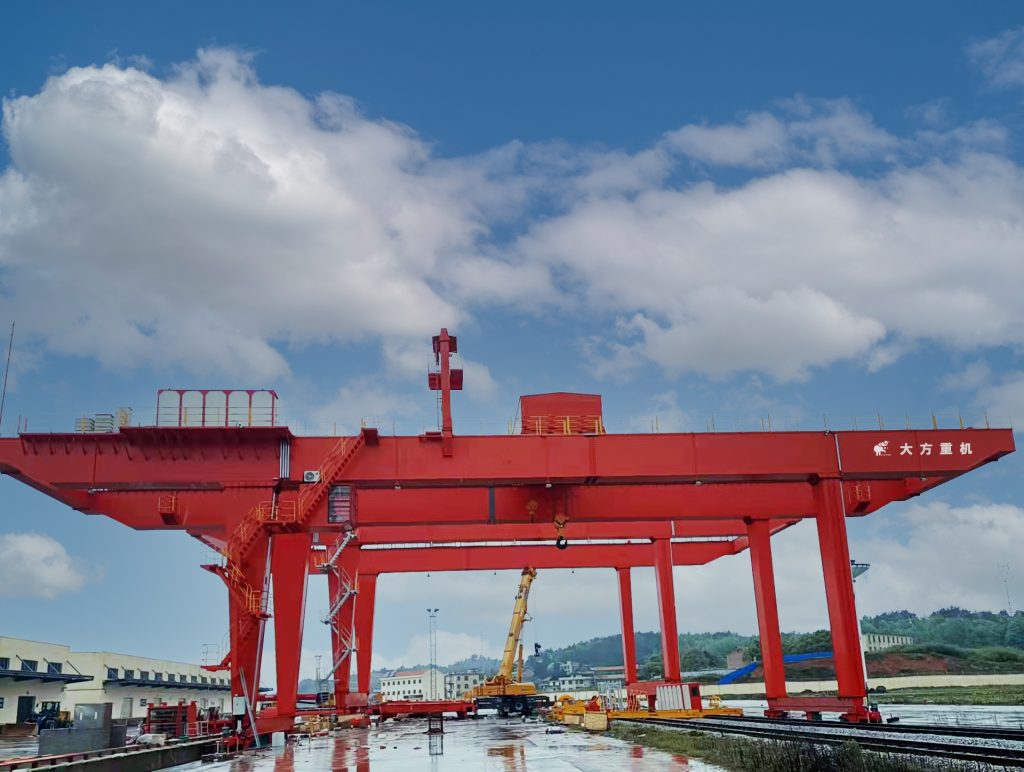
The structural design of a gantry crane determines its efficiency. A gantry crane is formed by a bridge beam that is supported by two or more legs that run along on rails on the ground. The bridge also supports a hoist which enables lifting in the vertical direction as well as traversing horizontally along the length of the crane. Efficient heavy duty gantry cranes are designed using advanced materials such as high strength steel.
Load capacity is a key factor in gantry crane performance analysis. With different applications in various fields, gantry cranes can vary from small, portable cranes that carry loads under 10 tons, to large ship cranes capable of lifting over 1,000 tons. In designing such heavy industrial use systems, designers have to take into account the way loads are carried, stress concentration and fatigue, etc.
Lifting Mechanisms and Control Systems
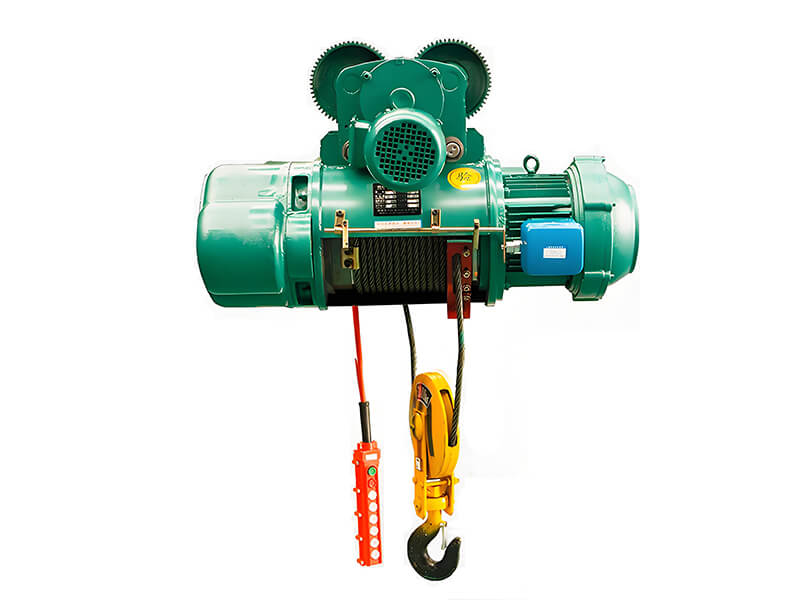
A Gantry Crane’s Efficiency Depends Largely on the Hoisting System and Control Technology. Electric wire rope hoists or hydraulic systems are commonly used as the hoisting mechanism in the modern cranes. Aiming at saving energy while realizing high lifting speed and accurate lifting performance, variable frequency drives (VFDs) are commonly adopted as the control system to realise smooth speed regulation of the motor and reduce the mechanical stress and extend the service life of the motor.
In recent years the gantry cranes have undergone a tremendous amount of development due to the increasing number of automation and technical applications being incorporated to them. The computerised control system is the heart of gantry crane and can be controlled from distance by making use of various switches, pedals or can be operated automatically with accuracy to a fixed point along with monitoring the load by providing real time load data. In this way operational reliability is guaranteed, occupational accidents are avoided and also huge time losses, which occur in manual control during frequently needed modifications, can be avoided.
Performance Metrics and Efficiency Evaluation
Performance of gantry crane can be evaluated with reference to the lifting speed, travelling speed, power consumption, reliability and maintenance. Lifting speed is the capacity of lifting material or products in the production site, and hence it is an important parameter for the increase of productivity. Traveling speed is very important for reducing the cycle time in case of repetitive operations like container movement or assembly line logistics.
As industries look to meet ever increasing sustainable development goals, as well as drive down costs, energy efficiency is rapidly becoming a critical factor in operations. Our modern energy recovery systems use the kinetic energy created by braking down and feed it back into the electrical circuit, thereby enhancing the energy efficiency of the system as a whole. Sensor-based predictive maintenance makes it possible to identify imminent vibration problems, temperature deviations or loads from a distance, preventing unscheduled downtime and costly maintenance work.
Applications in Heavy Industry
Gantry cranes are used extensively in heavy lifting and material handling operations in various industries. At shipyards, for example, heavy sections of ships can be positioned with millimeter accuracy using a gantry crane, allowing workers to join them together. At steel mills, these cranes lift ladles of molten metal and heavy steel coils in a high temperature environment requiring extreme care to prevent accidental exposure to heat. In manufacturing plants, smaller gantry systems are used to lift heavy components to be fitted to large pieces of heavy machinery or to carry molds used in various manufacturing processes.
Gantry cranes are designed to be flexible to the demands of any specific industry. They can be used as stationary equipment for processing plants that are running on an ongoing basis or can be mobile for use in various job sites. Their design allows them to operate with great effectiveness in harsh weather conditions such as high heat or corrosive elements found in seawater environments as well as in plants that use chemicals.
Safety Considerations and Technological Advancements
Even after decades of Gantries design and construction safety is still first priority, this is due to a multitude of risks involved when cranes are used in lifting heavy weights and elevated loads. Some of the preventative design features that modern day design now incorporates are: multiple brake arrangements on every wheel, overload limiter to protect the hoist, anti-sway control, proximity detectors, anti-collision systems, the correct operating procedures need to be followed and rigorous training undertaken along with the following of Standard Operating Procedures and pre-shift inspections, on going maintenance and safety inspections need to occur for the entire life of the product.
Modern technology is increasingly making an impact on gantry cranes in industry. Modern intelligent gantry cranes are equipped with smart systems that combine IoT technology and big data. By connecting large numbers of sensors on the motors, gears and hoist drums of the crane, it can collect large amounts of data in real time, and apply AI technology to analyse and process the load of the material, and the degree and trend of wear on the components, so as to achieve reasonable optimization of the load distribution and pre-warning of the wear condition of the components, thus preventing the components from failing, and realising the safe and reliable operation of the crane. Augmented reality (AR) technology can also be used in the maintenance of intelligent gantry cranes. In the maintenance process, the staff can use the AR technology to complete the disassembly and installation of the components and to realise the automatic alignment of the components by displaying the virtual instructions and graphics on the components and corresponding sites, so as to improve the efficiency of the maintenance work and realise the intelligent maintenance of the crane.
Future Trends in Gantry Crane Performance Optimization
As the majority of the industry is transforming to digital under the umbrella of Industry 4.0, developments in the future of gantry cranes will focus on smart automation and sustainable design. So, firstly, second and probably third generation steel constructions will be replaced by innovative composite materials, ensuring not only maintenance free, but also higher strength to weight ratios than actual steel designs. This will directly impact on lower energy consumption of the crane during the full cycle of its operations.
In addition, hybrid powertrain systems integrating electric motors with regenerative braking are forecasted to result in a significant reduction of emissions with lower operating costs in the long term.
Connecting the gantry cranes to the management system allows for predictive analytics and efficient decision making within the production value chain.
Ultimately, the continued pursuit of innovation in relation to reliability, efficiency and safety, will sustain the dominance of gantry cranes in heavy industry across the globe – a position that is expected to be crucial to meeting the needs of an increasingly demanding industry in terms of accuracy, speed and sustainability when it comes to material handling operations.