The Invisible Engine of Global Infrastructure
The modern world is built on a scale that often defies the naked eye. From the sprawling bridges that stitch together coastal metropolises to the high-output industrial plants fueling global supply chains, the physical backbone of civilization relies on a specialized class of machinery: heavy-duty cranes and steel structures. While these giants often operate behind the gates of restricted construction sites and busy shipping ports, they are the literal engines of progress in over 160 countries.
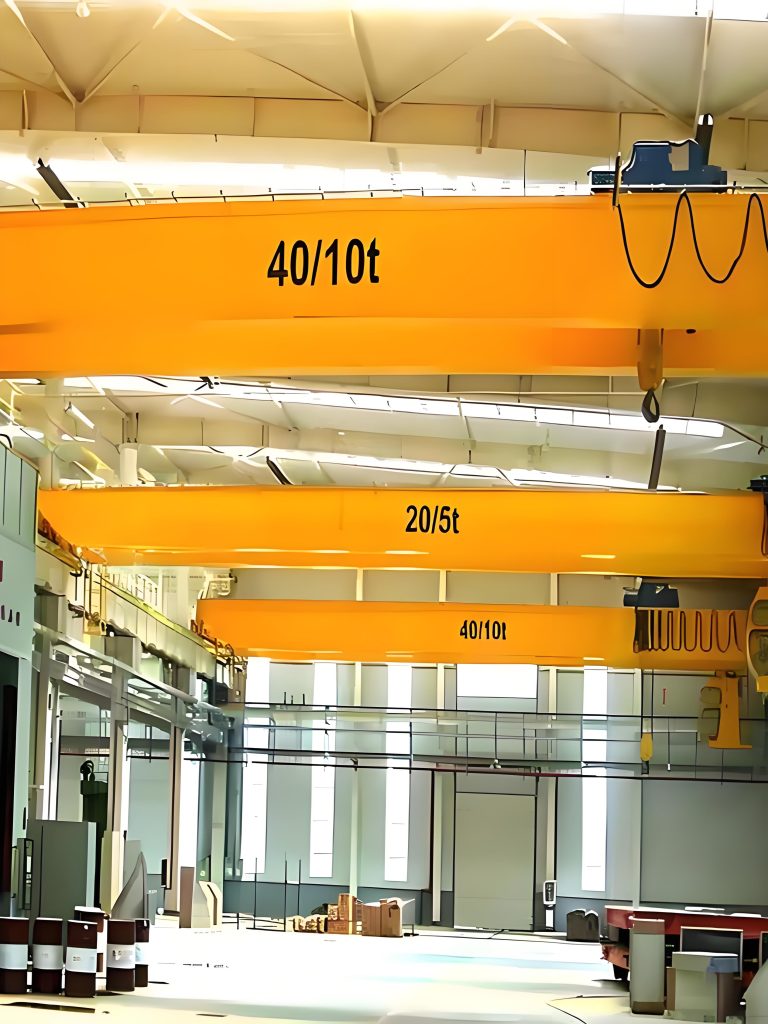
As a strategic analyst, I see these machines not just as steel and cables, but as the critical indicators of economic momentum. What was once a field defined solely by brute force has evolved into a sophisticated discipline where massive physical power meets advanced digital integration. Today, the ability to move the "unmovable" is the ultimate market differentiator in the global infrastructure race.
The Lightweight Paradox: Why Less is More in Heavy Engineering
In heavy industry, "lightweight" is usually a term of derision. However, a significant engineering breakthrough has turned this on its head: the "Lightweight" paradox. By utilizing advanced material science and sophisticated truss architectures, modern gantry cranes are achieving higher strength-to-weight ratios than ever before.
"Lightweight Design, Infinite Load; Truss Gantry Crane, Mastering the Heavy-Duty World."
The strategic imperative here is the reduction of Operational Expenditure (OPEX). A truss-based gantry crane is a masterclass in efficiency; the open-web design significantly reduces the surface area vulnerable to wind load—a critical factor for outdoor operations—while the reduced self-weight means less energy is required to move the crane itself. This allows for "Infinite Load" potential, effectively mastering the heavy-duty environment by applying smarter geometry rather than simply adding more weight.
The Smart Factory’s Nervous System: Beyond the Hook
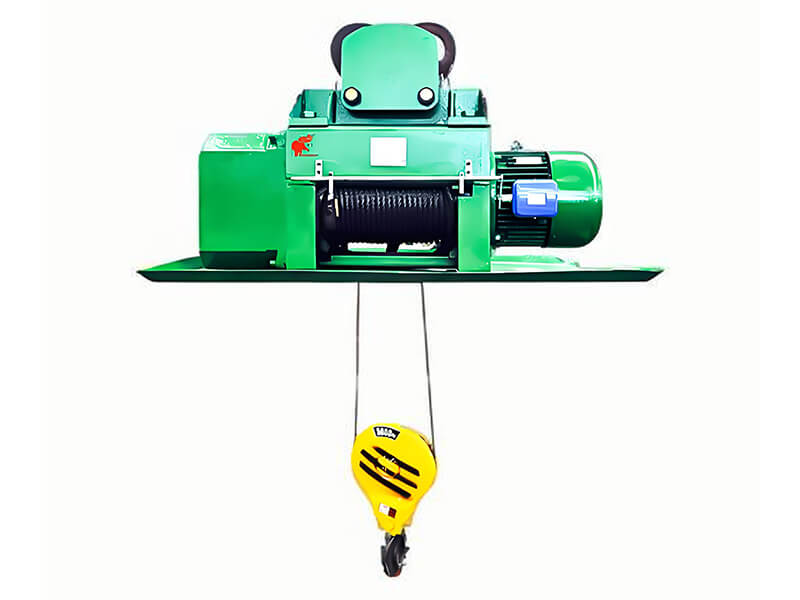
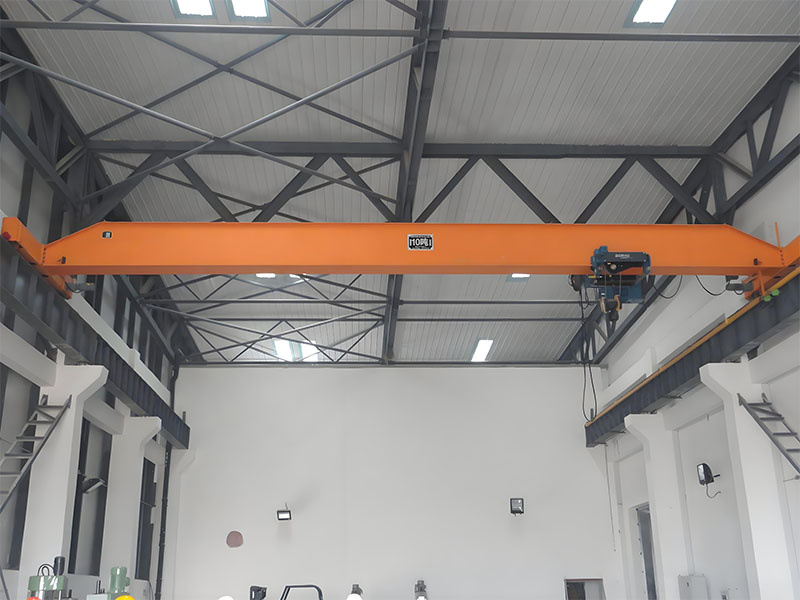
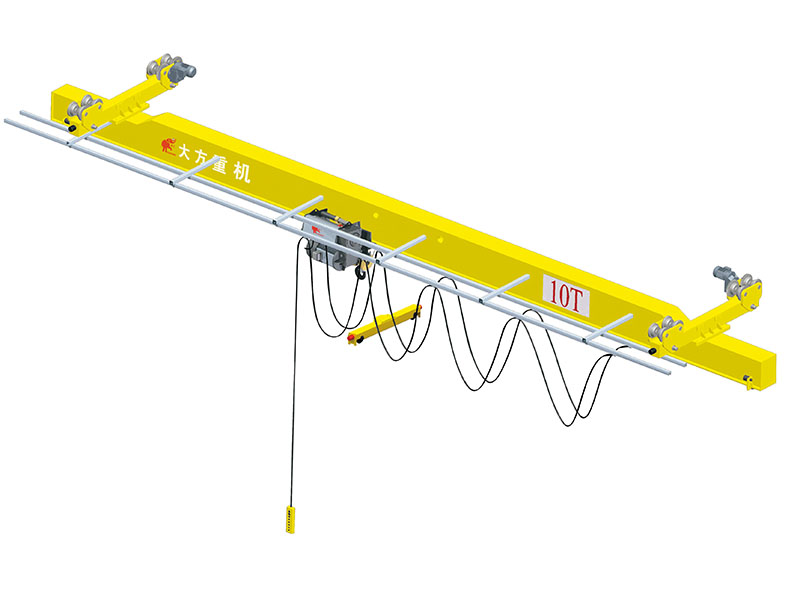
The traditional image of a crane—a simple pulley system operated by manual levers—is a relic of the past. As industrial plants move toward full automation, the overhead crane has evolved into the "Ideal Partner for Smart Factories." With the introduction of the "Smart Trolley," these machines have transitioned from simple muscle to the "nervous system" of the production floor.
In the context of modern manufacturing and prefabricated building construction, these cranes are now data-integrated components. They facilitate precision placement and real-time logistics tracking, acting as the synchronized heartbeat of a facility. For a strategic operator, this means higher throughput and a significant reduction in downtime, as the lifting solution is now fully aligned with the digital workflow of the smart factory.
Strategic Bridges: Engineering as a Diplomatic Lever
Industrial engineering often serves as a powerful tool for international cooperation. A prime example is the successful deployment of the 100t+100t bridge girder erecting machine in Algeria. In this context, the machine is more than a piece of equipment; it is a catalyst for regional economic integration.
"The stable operation of the 100t+100t bridge girder erecting machine in Algeria... has accelerated the progress of local transportation infrastructure construction and laid a solid foundation for further cooperation."
This project highlights how high-quality construction machinery acts as a model for international partnership. By providing the mechanical means to accelerate transportation networks, these engineering feats build more than just roads—they build diplomatic and economic trust. It is a strategic move that secures a foothold in emerging markets while delivering tangible local benefits.
Defying the Furnace: The Drama of Metallurgical Engineering
If the Algeria project represents the challenge of geographic distance, the metallurgical foundry represents the challenge of environmental distance. Imagine an environment defined by the roar of furnaces and the intense, shimmering radiant heat of molten steel. This is where the YZS360T Four-Girder Six-Rail Casting Crane operates—a machine designed for the extremes.
Building a crane that can handle a 360-ton load while subjected to the thermal expansion and volatile atmosphere of a foundry requires unparalleled technical expertise. The "Four-Girder Six-Rail" configuration isn't just a specification; it is a structural necessity for stability and redundancy in a high-stakes environment where equipment failure is not an option. It represents the pinnacle of heavy-duty reliability, ensuring that even in the most hostile conditions, industrial productivity remains uninterrupted.
The Infrastructure Titan: Vertical Integration on a Global Scale
The global footprint of an organization like Henan Dafang Heavy Machine Co., Ltd. provides a window into the sheer scale required to support the world’s infrastructure. To understand their impact, one must look at the sheer physical and strategic magnitude of their operations:
- A Massive Industrial Hub: The company operates across a sprawling 1,580 mu—contextualized for the global stage, that is approximately 1.05 million square meters or 260 acres of manufacturing power.
- Human Capital: A workforce of over 2,600 specialized employees drives the innovation behind every lift.
- Global Penetration: Their solutions reach over 160 countries and regions, with a strategic focus on high-growth corridors in Southeast Asia and Central Asia.
Perhaps the most significant strategic advantage, however, is their "Vertical Integration." By managing the entire lifecycle—from the fabrication of steel structures and prefabricated buildings to the transportation and installation of the cranes themselves—they offer a "one-stop-shop" advantage. This allows for seamless project engineering management, ensuring that the building and the crane intended to service it are designed in perfect harmony.
The evolution of the lifting industry is a narrative of transition—from the "brute force" of the industrial revolution to the "innovation-driven" solutions of the digital age. Today’s cranes are smarter, lighter, and more resilient, capable of bridging vast canyons in Algeria or braving the heat of a metallurgical furnace.
As you look at the bridges, industrial plants, and railways that define your local landscape, ask yourself: what specialized powerhouse made this possible? The future of global construction is being lifted by a philosophy of "Quality First, Innovation Driven," ensuring that as our world grows, the machines building it are more than ready for the challenge.