Overview of Gantry Cranes in Rail Yards
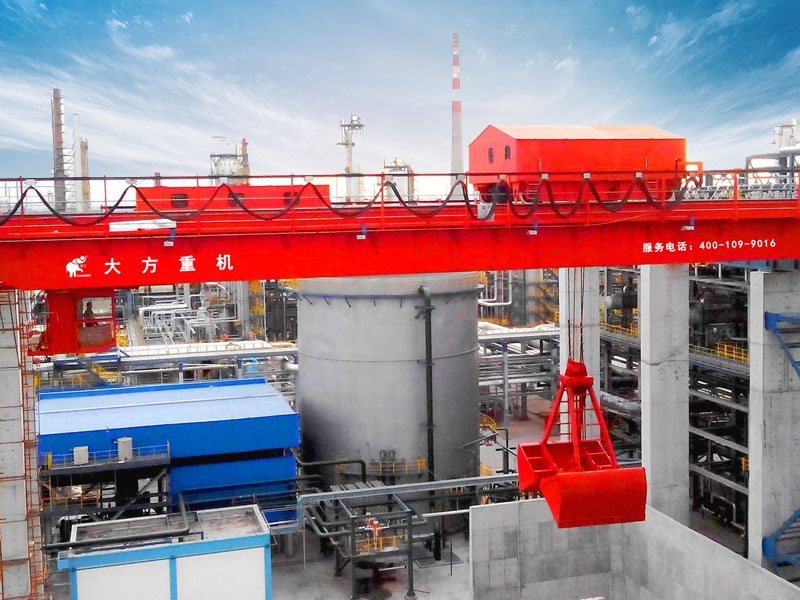
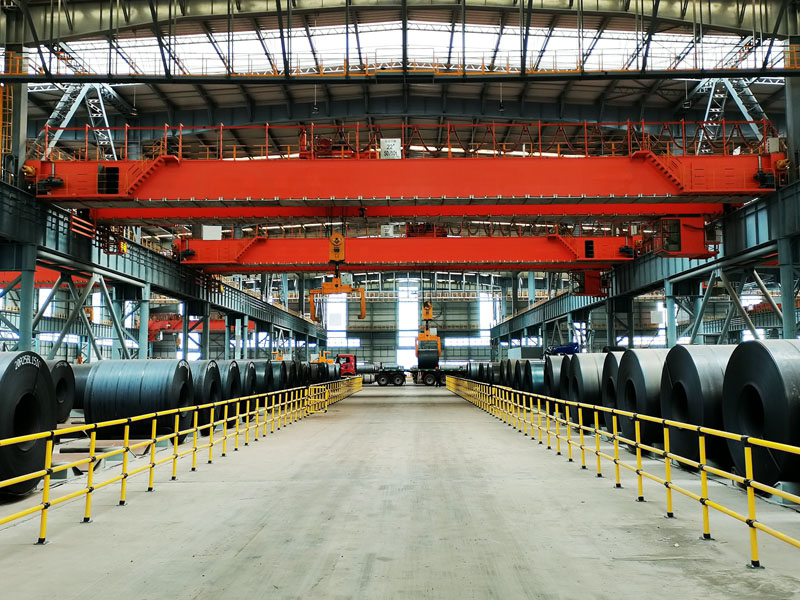
Gantry cranes are essential pieces of heavy equipment used extensively in rail yards for handling containers, bulk cargo, and heavy materials. Their design allows them to straddle railway tracks, enabling efficient loading and unloading of goods directly from trains. The primary advantage of a gantry crane lies in its ability to cover large working areas with minimal ground obstruction. The structural design typically consists of a bridge supported by two or more legs that move on fixed rails, providing stability and flexibility for handling loads of varying sizes and weights.
The operational environment of rail yards demands gantry cranes that combine high lifting capacities with precise control systems. These cranes often integrate advanced automation technologies to enhance throughput and minimize human error. Modern gantry cranes also feature variable frequency drives (VFDs) for smooth acceleration and deceleration, which reduces mechanical stress on components while improving positioning accuracy.
Key Technical Parameters
The technical parameters of gantry cranes in rail yards are defined by several critical specifications: lifting capacity, span, lifting height, speed parameters, duty class, and power supply configuration.
Lifting Capacity: Rail yard gantry cranes generally range from 30 tons to over 100 tons depending on the specific operational requirements. High-capacity models are designed to handle double-stacked containers or heavy industrial components efficiently.
Span: The span refers to the distance between the rails on which the crane travels. In rail yard applications, spans commonly range between 20 meters and 40 meters to accommodate multiple railway tracks beneath the crane structure.
Lifting Height: The lifting height determines how high a load can be raised above ground level. For container handling operations, typical lifting heights range between 12 meters and 20 meters, allowing operators to stack containers efficiently without interference from overhead structures.
Speed Parameters: Gantry cranes in rail yards must balance speed with precision. Hoisting speeds often vary between 5–15 m/min for heavy-duty operations, while trolley travel speeds can reach up to 40 m/min depending on the model configuration. Crane travel speeds typically fall within the range of 40–120 m/min to ensure rapid repositioning across long tracks without compromising safety or stability.
Duty Class: According to international standards such as FEM or ISO classifications, rail yard gantry cranes are usually rated under medium- to heavy-duty classes (A5–A7). This ensures they can sustain frequent load cycles under demanding conditions without excessive wear or downtime.
Power Supply: Electrical power is typically supplied through cable reels or conductor bars running along the track length. Some systems employ hybrid configurations integrating energy recovery mechanisms that capture braking energy during deceleration phases for improved efficiency.
Structural Design Considerations
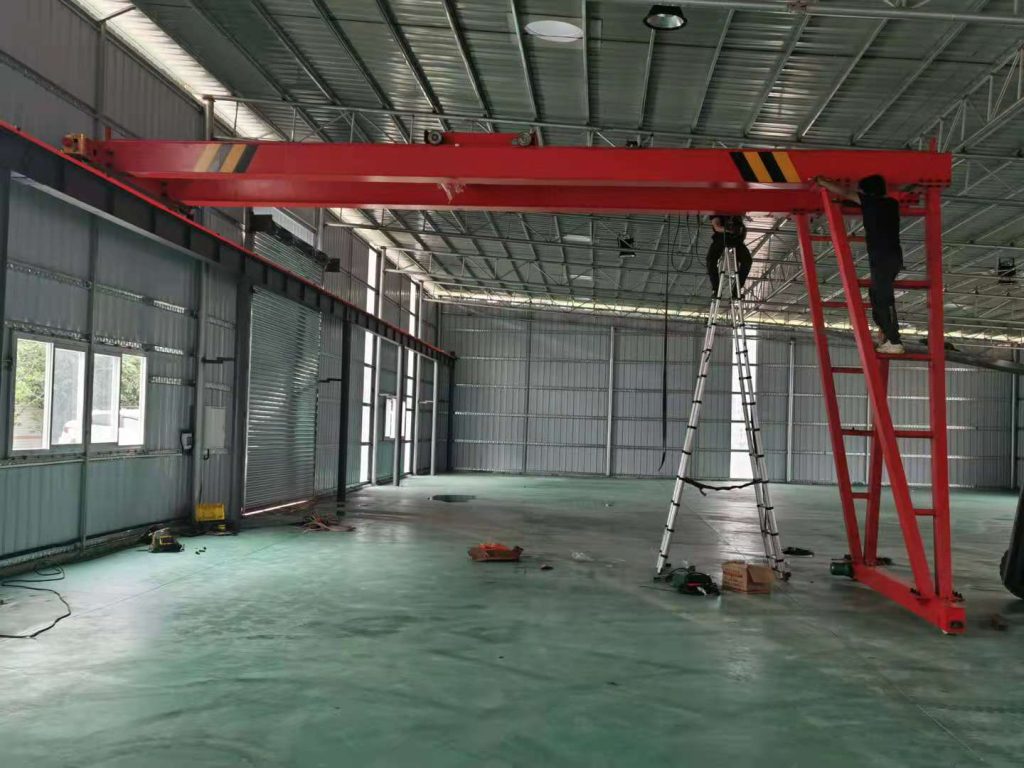
The structural integrity of a gantry crane is fundamental to its performance in rail yard environments. The main girder is often fabricated from welded box sections or truss-type structures depending on the required span and load capacity. Box-type girders offer superior rigidity and resistance against torsional stress, making them ideal for high-capacity models operating under dynamic loading conditions.
The supporting legs are engineered with reinforced steel plates designed to absorb vertical loads while maintaining lateral stability during travel operations. End carriages house wheel assemblies equipped with anti-friction bearings for smooth motion along rails even under full load conditions.
To ensure safe operation under varying weather conditions commonly encountered in open-air rail yards, corrosion-resistant coatings and weatherproof electrical enclosures are standard features on modern gantry cranes.
Control Systems and Automation
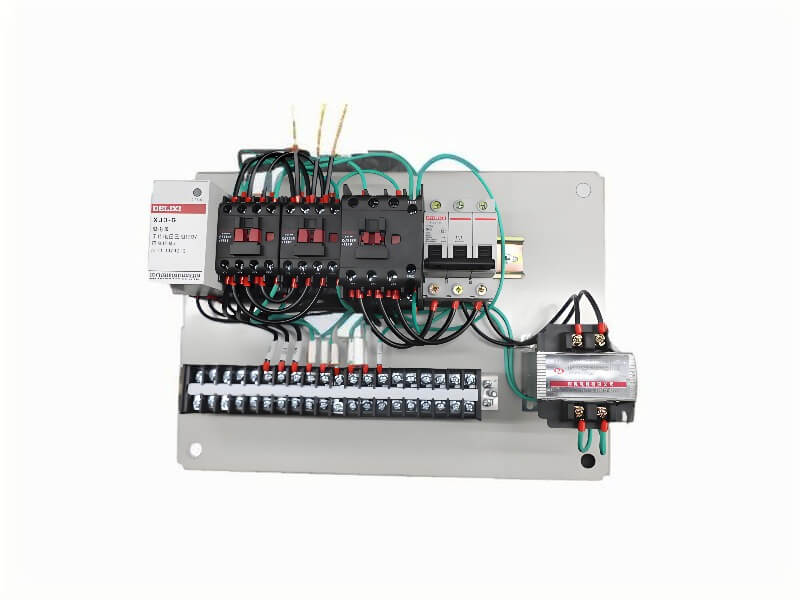
Advanced control systems play a vital role in optimizing gantry crane performance within busy rail terminals. Programmable logic controllers (PLCs) manage all motion sequences including hoisting, trolley travel, and crane movement synchronization across multiple axes.
Modern systems incorporate anti-sway technology that automatically compensates for load oscillations during acceleration or deceleration phases—significantly improving safety and operational accuracy when positioning containers onto flatcars or storage stacks.
Remote monitoring solutions provide real-time diagnostics data enabling predictive maintenance scheduling based on actual usage patterns rather than fixed intervals—reducing downtime while extending component life cycles.
Automation integration allows seamless communication between yard management software platforms enabling coordinated logistics operations where multiple cranes operate simultaneously within shared work zones without collision risks.
Safety Features
Safety remains paramount in all aspects of gantry crane design especially within high-traffic environments like rail yards where personnel frequently operate nearby moving equipment.
Standard safety mechanisms include overload protection devices that prevent lifting beyond rated capacities; limit switches ensuring controlled end-of-travel stops; emergency stop buttons strategically located across operator cabins; wind-speed sensors triggering automatic shutdowns during extreme weather events; as well as fail-safe braking systems preventing unintended motion during power loss scenarios.
Operator cabins are ergonomically designed featuring panoramic visibility panels combined with climate control systems ensuring comfort during extended shifts across diverse environmental conditions.
Energy Efficiency and Sustainability Trends
With increasing emphasis on sustainability across industrial sectors manufacturers have begun incorporating energy-saving technologies into their gantry crane designs such as regenerative drives capturing kinetic energy generated during braking converting it back into usable electrical power thereby reducing overall consumption rates over time.
Lightweight high-strength materials like advanced steel alloys further contribute toward minimizing structural mass without compromising durability resulting in reduced motor loads translating directly into lower operational costs per cycle basis making these machines both economically viable environmentally responsible investments suitable long-term deployment scenarios typical large-scale intermodal terminals globally today.
This comprehensive analysis highlights how each technical parameter contributes collectively toward defining performance reliability efficiency characteristics distinguishing modern gantry crane systems specifically tailored meet rigorous demands associated contemporary railway freight handling operations worldwide ensuring continuous productivity alongside uncompromised safety standards throughout entire service lifespan machinery involved therein.