Understanding Gantry Cranes in Port Logistics Operations
Overview of Gantry Crane Functionality
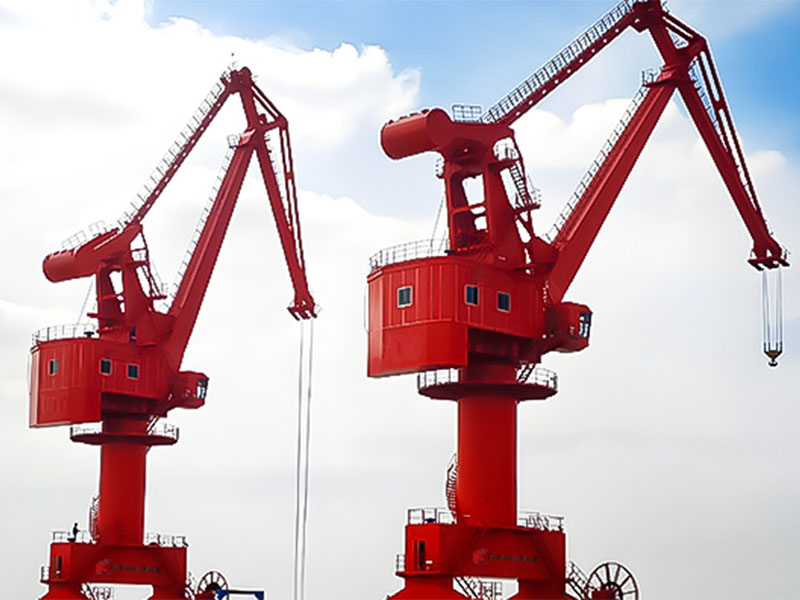
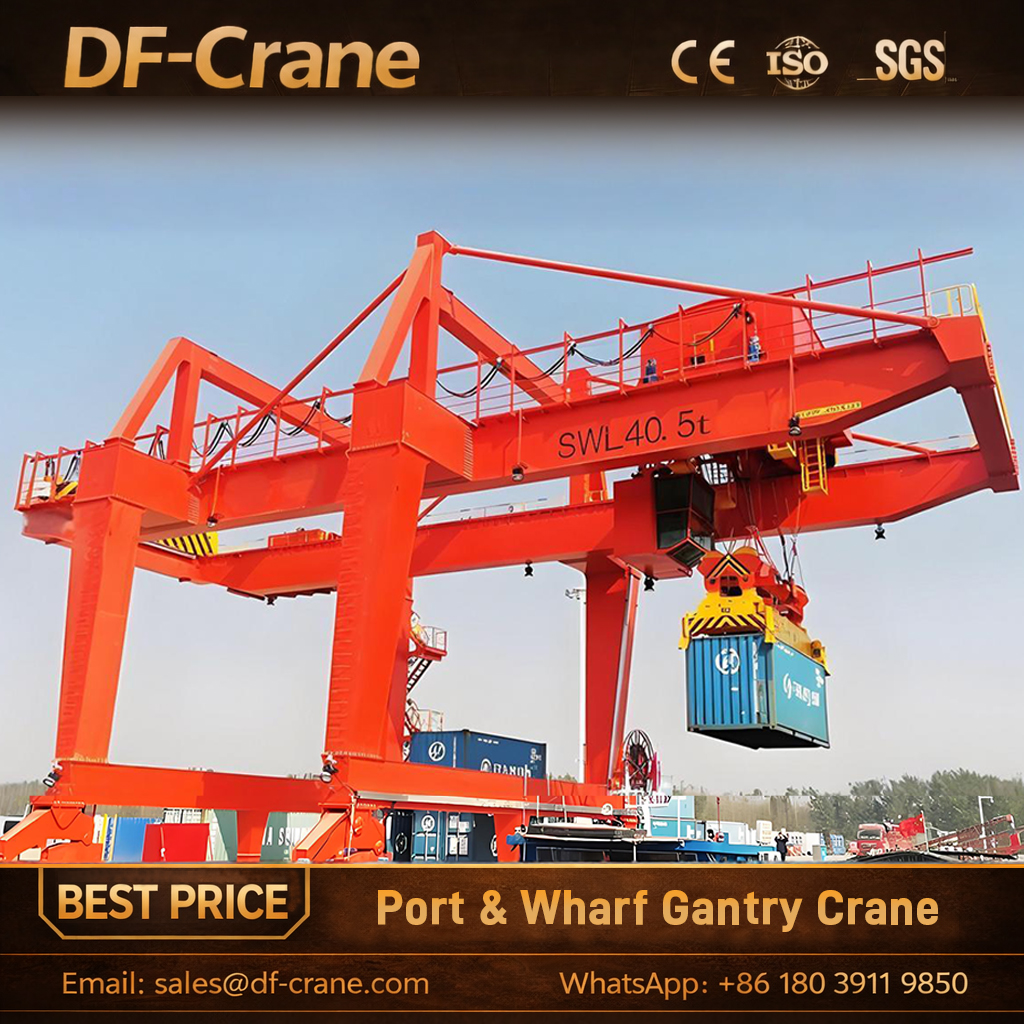
A gantry crane is a heavy piece of machinery that is used to lift and move very heavy goods in the port logistics business. The heavy machinery is commonly used in the ports to move and load or unload large cargo, often containers, across the various sections of the port. The crane, which uses a framework of legs that stretch out on either side like a bridge, allows the crane to cross a large area such as the deck of a ship or storage areas in the yard. The use of these heavy machines is essential in the port operations as they deal with very heavy cargo.
Gantry cranes are very essential in the movement of heavy goods in that they facilitate fast movement of heavy goods. They help in quick loading and unloading of goods at the ports thus ensuring efficiency in the movement of goods. In the absence of gantry cranes movement of heavy goods would be very slow and this would mean that the work of loading and unloading would be very slow thus hindering the efficiency of the movement of goods.
Unlike other cranes such as the tower crane or mobile crane, a gantry crane in the port presents some major advantages. The heavy and immobile structure of the tower cranes makes them inappropriate for big areas while the mobile cranes do not provide a stable operation, precision and reliability for repeated heavy handling operations. The gantry cranes on the other hand, owing to their mobility and capability, have proved that they are highly appropriate for handling containerised and bulk cargoes.
Types of Gantry Cranes Used in Ports
Ports utilize two main types of gantry cranes, each suited to specific needs. Rail-mounted gantry cranes, or RMGs, operate on fixed rails, offering high precision in container yards. They are perfect for repetitive tasks, ensuring accurate stacking and retrieval of containers.
Rubber-tired gantry cranes, or RTGs, use wheels instead of rails to give you more flexibility in your yard and across multiple terminals. Without the need for rail infrastructure, you have more flexibility to reconfigure your layout as your operations change.
The main difference in usage is that RMG’s are typically used in high density container terminals with predetermined navigation paths, and RTG’s are used in terminals where more flexible operations are required. Both types of cranes do bring a number of operational benefits, but they offer different benefits in different situations. In highly structured, high density terminals the RMG’s ability to quickly move containers in a predetermined path brings the most benefits, while in terminals with more complex operations and unpredictable container flow the RTG’s ability to maneuver and operate in a wide range of situations is the main advantage.
Key Applications of Gantry Cranes in Port Logistics
Container Handling Operations
Gantry cranes are used for loading and unloading cargo on a container ship. The gantry cranes pick up containers from the ship and move them to the dock or deposit them back on to the ship in a quick and efficient manner. This allows ships to spend less time in port, increasing overall productivity.
Gantry Cranes Gantry cranes enable container stacking and storage in limited spaces while enabling rapid access to containers. By enabling the stacking of containers in the yard, gantry cranes maximize yard capacity and help to maintain neat and organized storage with quicker container pickup.
Vessel Turnaround. A vessel turnaround refers to the time taken to load and/or unload a vessel, and to enable safe departure. Faster vessel handling can lead to quicker vessel departures and a greater vessel call density in the port. A greater vessel call density can result in a more efficient and competitive port.
Bulk Cargo Management
Gantry cranes are also frequently used to handle bulk cargoes such as coal, grain and minerals. They are often fitted with grabs to allow the efficient scooping and transfer of loose cargo from ships to stores.
The use of Gantry Cranes for the handling of bulk materials has its own advantages and for good reasons. Most handlers prefer to employ men and machinery to dispend the material, which frequently results in spillage of tons of material that takes ages to clear, whilst with the gantry crane the whole tonnage is moved in one charge and spillage is avoided thereby increasing the handling capacity many times.
Specialized Cargo Handling
Gantry Cranes for Large and Unusual Loads If you are dealing with large or unusual loads on a regular basis then a gantry crane is the perfect solution for you. Heavy machinery, oversized materials and large wind turbine components are just a few examples of the loads that a standard crane may not be able to lift and it is here that a gantry crane steps in due to its large size and strength that can easily accommodate unusual shapes and weights.
All these models have several customization options that can make the use of gantry cranes more efficient and easier. In this way, ports can equip their gantry cranes with specific attachments for the specific type of cargo. In this way, even the most complex logistics can be solved efficiently.
Advantages of Using Gantry Cranes in Port Operations
Enhancing Operational Efficiency
Gantry cranes are used in order to minimize human labor in the ports. Heavy load lifting that requires significant amount of labor force and frequent human mistakes are significantly reduced, thus increasing the work efficiency at the ports.
They also facilitate certain operations, improve operational efficiency and enable ports to move more cargo through the facility on a daily basis.
Safety Improvements in Port Environments
These gantry cranes are safe to operate. An assortment of automation systems enable remote operation thereby reducing exposure to hazardous tasks and operations for workers. The operator is thus able to remain at a safe distance while fully controlling the crane.
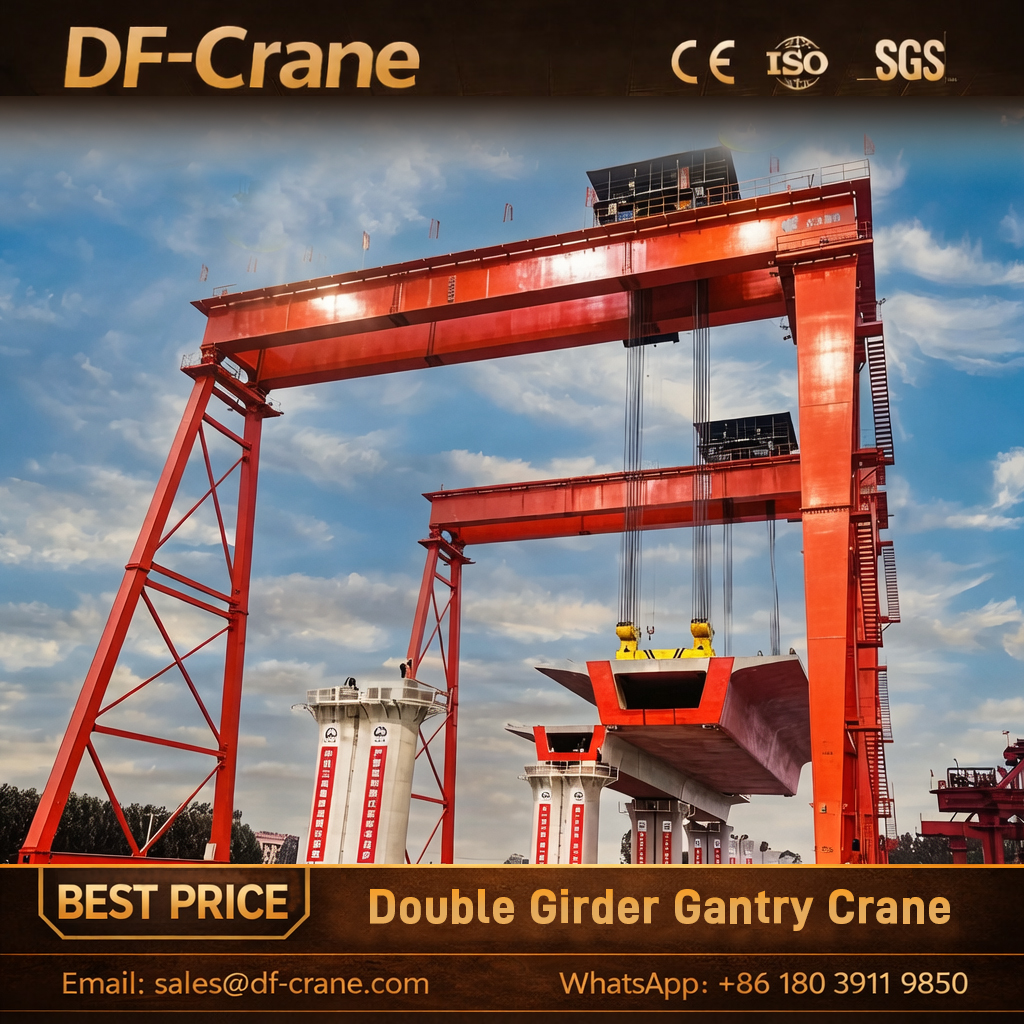
Gantry cranes are generally regarded as being a safer type of lifting equipment than, say, mobile cranes. Systems such as collision detection and load sensors are also included in their design to avoid accidents in the port.
Cost-effectiveness and Economic Impact
Over the years gantry cranes can pay off considerably. The main factor is generally the higher productivity as a result of more cargo being moved with a smaller workforce. This reduces labor costs, which contribute considerably to the total costs of a gantry crane over many years.
Container terminals can play an important role in determining the competitiveness of a harbour. Efficient terminal operations can ensure a high level of service to liner operators and thereby ensure that more vessel calls are attracted, resulting in more revenue for the harbour. These economic benefits are available to local people and are a catalyst for increased trade in the surrounding area.
Challenges and Considerations for Gantry Crane Implementation
Infrastructure Requirements
Heavy foundation and levelling works are required for gantry cranes. This means that the general port infrastructure must be robust. As the crane will be operating from this structure, general port improvements need to be made.
The introduction of new cranes into existing layouts can pose a significant number of challenges including potential layout redesigns due to limited space and outdated crane designs. Great care must be taken to facilitate the new addition in the shortest time possible without any impact to on-going operations.
Maintenance and Technical Support
Regular maintenance of gantry crane is vital. Failure to carry out routine inspections of a gantry crane will inevitably result in a higher likelihood of breakdown, which can lead to greater strain on resources such as increased labour costs to carry out repairs.
Technical support availability is just as important. Who you call in the event of a problem is crucial.Ports need to know who they can contact in the event of a breakdown in order to maintain continuity of operation.
Future Trends in Gantry Crane Technology
Automation and Smart Technologies
The future of gantry cranes lies in automation. Integration of AI and IoT enhances efficiency through real-time data analysis. These technologies optimize crane movements and predict maintenance needs.
The era of fully automatic gantry cranes is here on the horizon. No more operator needed for their control. The need for manned operation for moving sensitive, heavy and high value cargo at the harbours and ports can with this development be safely avoided and very efficiently carried out by highly precision guided robots at the speed of their design and functionality capabilities.
Environmental Considerations
New innovations are increasingly looking at the environmental impact of the way we work. For example, an electric gantry crane is helping reduce emissions at the Port of Tyne. It’s part of the drive for sustainability worldwide.
Green technology is increasingly being incorporated into crane production. The use of recyclable materials and a range of resource-efficient solutions is gradually becoming the new norm. Our goal is for all of the world’s leading ports to become part of a more sustainable future.
FAQs About Gantry Cranes in Port Logistics Operations
What is the primary function of a gantry crane?
Gantry Cranes are frequently employed in ports for heavy lifting operations – for example lifting heavy containers.
How do gantry cranes improve port efficiency?
They facilitate the loading, unloading and stacking operations, resulting in shorter vessel turnaround time and higher overall operational productivity.
Are there any safety concerns associated with gantry crane use?
The modern gantry crane is a more safe piece of heavy equipment than ever before with numerous improvements to prevent accidents and injuries. However, every operator should remember to always undergo adequate training as well as complete all routine maintenance to the crane to operate it most safely.