Overview of Gantry Crane Usage Worldwide
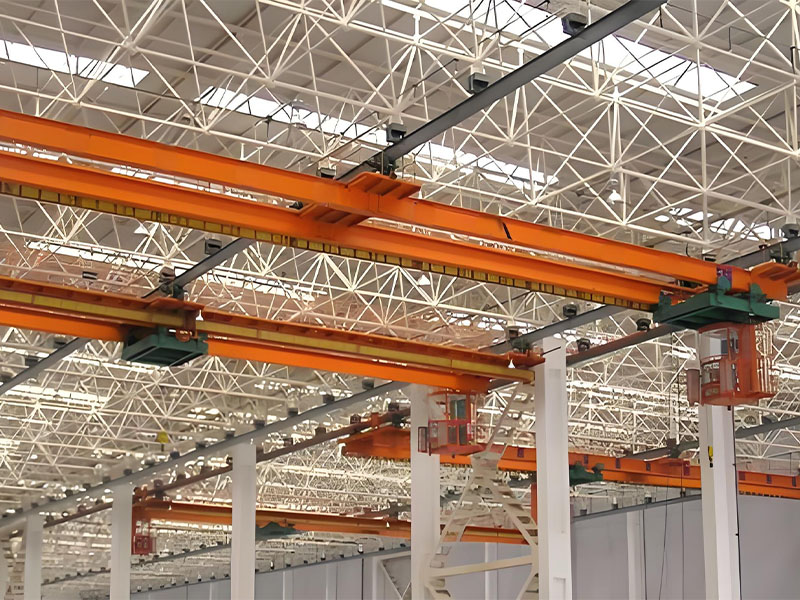
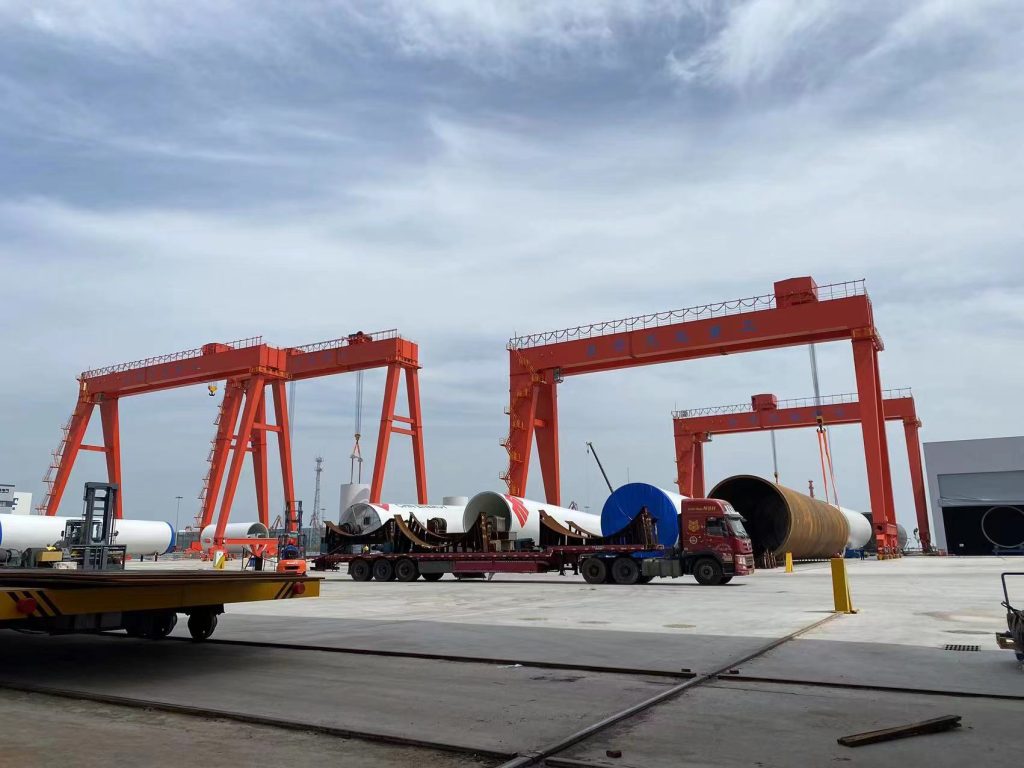
The gantry crane is a vital piece of industrial equipment used across multiple sectors, including shipbuilding, manufacturing, and logistics. Its global adoption highlights differences in infrastructure development, industrial specialization, and regulatory environments among countries. While the fundamental design—a bridge-like structure supported by legs that move on rails or wheels—remains consistent, its scale and application vary significantly depending on regional economic priorities and technological advancements.
Gantry Crane Applications in Developed Economies
In developed countries such as the United States, Germany, and Japan, gantry cranes are integral to high-capacity port operations and precision manufacturing. These nations prioritize automation and digital integration. Advanced sensors and control systems allow for real-time monitoring of loads, improving both safety and efficiency. In the U.S., large container terminals employ rail-mounted gantry cranes capable of handling thousands of containers daily. Japan’s shipyards utilize double-girder gantry cranes for assembling large vessel sections with extreme accuracy. Germany’s focus on Industry 4.0 has led to the integration of IoT-enabled gantry crane systems that communicate with logistics software to optimize workflow scheduling.
The emphasis in these regions is on sustainability and energy efficiency. Electric drive systems are replacing diesel-powered units to reduce emissions, aligning with environmental standards set by the European Union and other regulatory bodies. Additionally, predictive maintenance technologies minimize downtime by identifying component wear before mechanical failure occurs.
Gantry Crane Development in Emerging Markets
Emerging economies such as China, India, and Brazil have experienced a surge in gantry crane deployment due to rapid industrialization and urban expansion. China leads global production and export of gantry cranes, driven by its extensive port infrastructure along coastal regions like Shanghai and Shenzhen. The country’s manufacturers produce a wide range of models—from small workshop cranes to ultra-heavy-duty shipyard variants—catering to both domestic demand and international markets.
India’s infrastructure projects under initiatives like “Make in India” have increased demand for mobile gantry cranes used in construction sites for bridge segments and prefabricated structures. Brazil’s mining sector relies heavily on gantry cranes for material handling within processing plants, reflecting the country’s focus on heavy industry applications rather than containerized logistics.
While cost efficiency drives adoption in these markets, challenges persist regarding operator training and compliance with international safety standards such as ISO 9927-1 for crane inspection procedures. Nevertheless, local manufacturers are closing the technology gap through joint ventures with European firms that provide access to advanced control systems and load management software.
Regional Variations in Design Standards
Design specifications for gantry cranes differ according to national engineering codes and operational needs. European designs typically adhere to FEM (Fédération Européenne de la Manutention) standards emphasizing structural integrity under dynamic loads. North American models follow CMAA (Crane Manufacturers Association of America) guidelines focusing on classification based on service duty cycles. In contrast, Asian manufacturers often combine elements from both frameworks while tailoring configurations for cost-effectiveness and ease of maintenance.
For example, port authorities in Singapore favor rubber-tired gantry (RTG) cranes due to their flexibility in container yards where space optimization is critical. Meanwhile, Scandinavian countries deploy automated stacking cranes (ASC) integrated into unmanned container terminals designed for year-round operation under harsh weather conditions. These adaptations demonstrate how geography influences technical specifications—from corrosion-resistant materials used in coastal installations to compact frame designs suited for dense urban environments.
Technological Innovation and Future Trends
Advancements in automation, artificial intelligence (AI), and remote operation are reshaping global gantry crane usage patterns. Automated gantry systems now feature collision-avoidance algorithms using LiDAR sensors that enhance safety during simultaneous multi-crane operations at busy ports. AI-driven load distribution software optimizes hoisting speeds while maintaining structural stability across varying payloads. Remote monitoring platforms enable centralized control centers to oversee multiple cranes across different locations through secure communication networks—an approach increasingly adopted by multinational logistics corporations seeking operational consistency worldwide.
Future trends indicate a growing shift toward hybrid power solutions combining electric motors with regenerative braking systems that recover kinetic energy during lowering operations, contributing to overall energy savings of up to 30%. Furthermore, modular construction techniques allow easier transportation and assembly at project sites—a crucial advantage for developing regions lacking heavy infrastructure support facilities.
Economic Impact Across Countries
The economic implications of gantry crane utilization extend beyond direct industrial productivity gains. In export-oriented economies like South Korea or China, efficient crane operations directly influence shipping throughput capacity—affecting trade competitiveness at national levels. Conversely, countries investing heavily in public works projects benefit from mobile gantry cranes that accelerate construction timelines while reducing labor costs associated with manual lifting methods.
As global supply chains continue evolving toward resilience rather than mere cost minimization, investments in modernized gantry crane fleets will remain a strategic priority across diverse economic landscapes—from technologically advanced nations pursuing full automation to emerging markets emphasizing capacity expansion through scalable mechanical solutions tailored to their developmental stage.